
Our Specialties
Westbridge Medical Group brings eight focused service lines together under one coordinated model of care. Each specialty can function independently when appropriate and collaboratively when a patient’s condition crosses multiple areas of medicine.
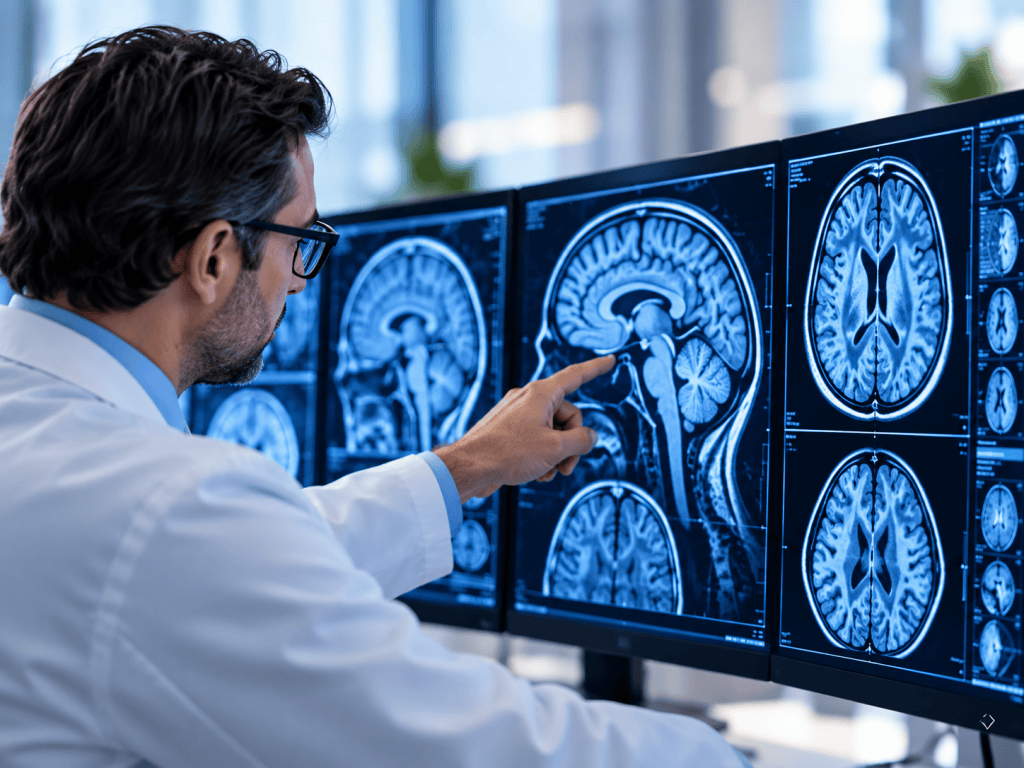
Neurology
Our neurology service line evaluates symptoms and injuries involving the brain, spinal cord, peripheral nerves, and related neurologic function. Patients may be referred for persistent headaches, dizziness, numbness, weakness, sensory changes, post-traumatic symptoms, or other concerns requiring specialty neurologic assessment.
Depending on the clinical picture, neurologic evaluation may help clarify diagnosis, determine whether additional testing is appropriate, and coordinate next steps with rehabilitation, pain management, spine care, or other Westbridge specialties.
Pain Management
Pain management focuses on identifying the source of pain and developing an appropriate treatment strategy with an emphasis on function, mobility, and quality of life. The service line may evaluate neck pain, back pain, joint-related pain, nerve pain, and persistent symptoms following injury or surgery.
Care may include diagnostic evaluation, conservative treatment planning, medication management when appropriate, and image-guided or interventional procedures. When a patient also requires surgical evaluation, rehabilitation, or neurologic assessment, the pain management team can coordinate with the relevant Westbridge specialty.
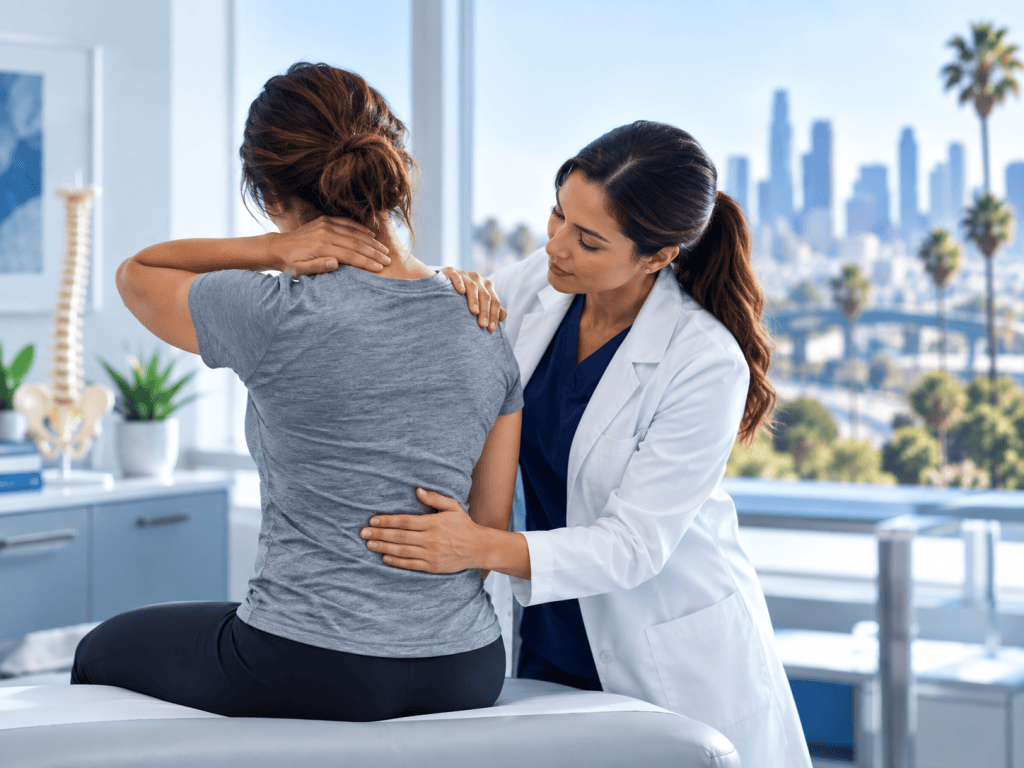
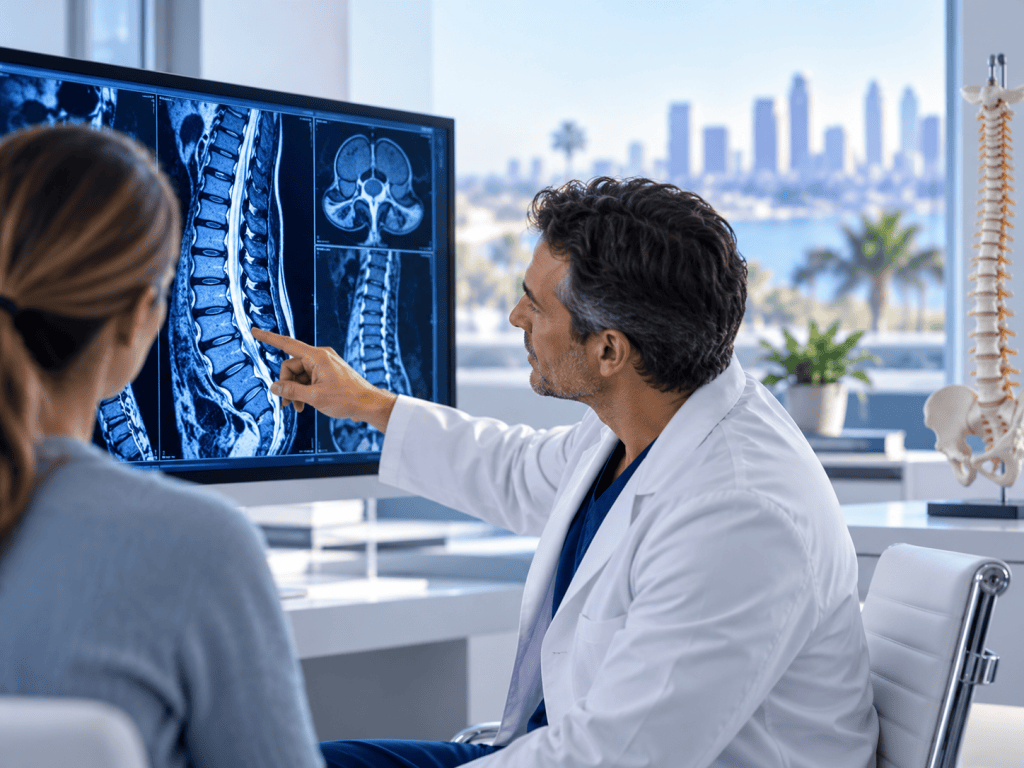
Spine & Neurosurgery
The spine and neurosurgery service line is designed for patients with conditions that may require specialized surgical or nonsurgical evaluation involving the spine, spinal cord, or nervous system. Referrals may include disc pathology, spinal stenosis, radiculopathy, structural injury, persistent neurologic symptoms, or complex spinal conditions.
The goal is not to assume surgery is required, but to determine the most appropriate level of care. When operative treatment is not indicated, patients may be directed toward pain management, rehabilitation, or continued conservative treatment.
Physical Therapy & Rehabilitation
Physical therapy and rehabilitation focus on restoring movement, strength, endurance, and functional independence after injury, surgery, or prolonged pain. Treatment plans are individualized around the patient’s diagnosis, limitations, goals, and stage of recovery.
Rehabilitation may be used as a first-line treatment, as part of a nonsurgical care plan, or following surgery or procedures. Within the Westbridge model, rehabilitation can be coordinated with the treating specialist so progress, restrictions, and treatment goals remain aligned.

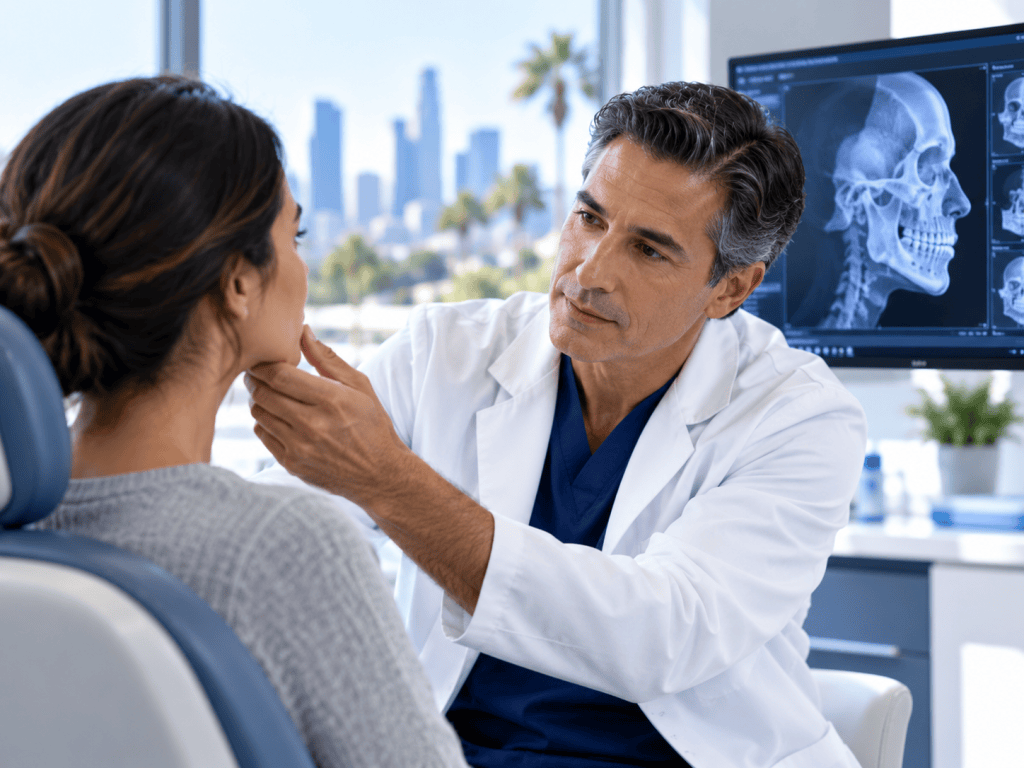
Plastic & Reconstructive Surgery
Plastic and reconstructive surgery addresses injuries and conditions involving soft tissue, skin, scars, contour, form, and function. The service line may evaluate traumatic wounds, complex lacerations, soft-tissue defects, problematic scars, post-surgical deformity, and injuries requiring reconstructive planning.
The focus is restoration: preserving function, improving healing, and reconstructing damaged tissue when injury or prior treatment has altered normal anatomy. This service line is currently planned under the proposed leadership of Saul Lahijani, MD.
Oral & Maxillofacial Surgery (OMFS)
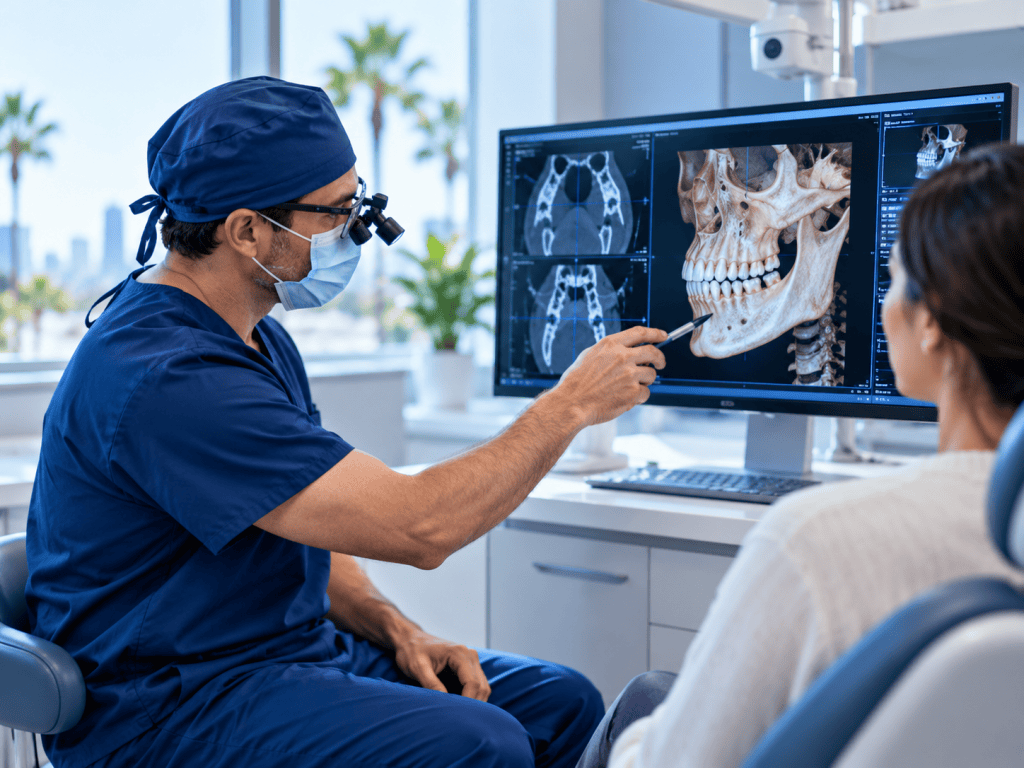
Oral and maxillofacial surgery focuses on conditions and injuries involving the face, jaw, mouth, and related structures. Patients may require evaluation for facial trauma, jaw injury, dentoalveolar injury, facial fractures, temporomandibular concerns, or other conditions within the scope of oral and maxillofacial surgery.
Because facial injuries may involve multiple structures and specialties, OMFS can work within the broader Westbridge network when coordinated neurologic, reconstructive, pain, or rehabilitation care is needed.
Westbridge OMFS care is supported by Sam Harouni, DDS, MD, an oral and maxillofacial surgeon whose clinical work includes facial fractures, jaw and dentoalveolar injuries, facial trauma, reconstructive maxillofacial surgery, dental implants, bone grafting, and TMJ-related surgical conditions.
Wound Care & Regenerative Medicine
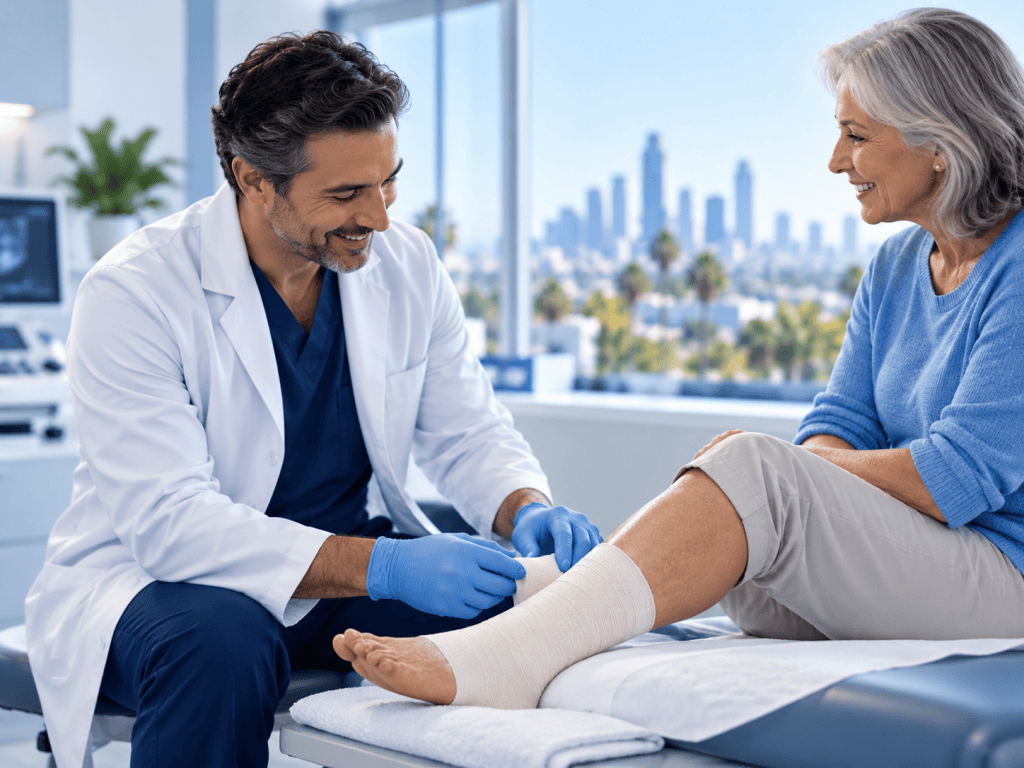
Wound care is designed for patients with wounds that are complex, slow to heal, recurrent, or complicated by tissue injury. Evaluation may include traumatic wounds, postoperative wounds, soft-tissue breakdown, compromised healing, and other situations requiring structured wound management.
Treatment may involve advanced wound-care techniques and, when clinically appropriate, regenerative strategies intended to support tissue healing. Regenerative treatments are not appropriate for every patient or condition, so recommendations are based on diagnosis, available evidence, and individual clinical factors.
Burn Specialist
Burn care focuses on evaluation and treatment planning for patients with thermal, chemical, electrical, or other burn injuries, including follow-up after the acute phase. Care may address wound healing, scar development, functional limitations, pain, and the need for reconstructive or rehabilitative support.
When burn injuries involve complex wounds, soft-tissue loss, scarring, pain, or mobility limitations, care can be coordinated with Westbridge wound care, plastic and reconstructive surgery, pain management, and rehabilitation services as clinically appropriate.
Westbridge burn care is supported by Soheil Saul Lahijani, MD, a burn surgeon with dedicated Burn & Reconstructive Surgery fellowship training and separate Plastic & Reconstructive Surgery residency training at Vanderbilt University.

Coordinated Specialty Care
A patient may enter Westbridge through one specialty and ultimately need several. The multispecialty model is designed to make those transitions clearer and better coordinated for patients and referring professionals.

